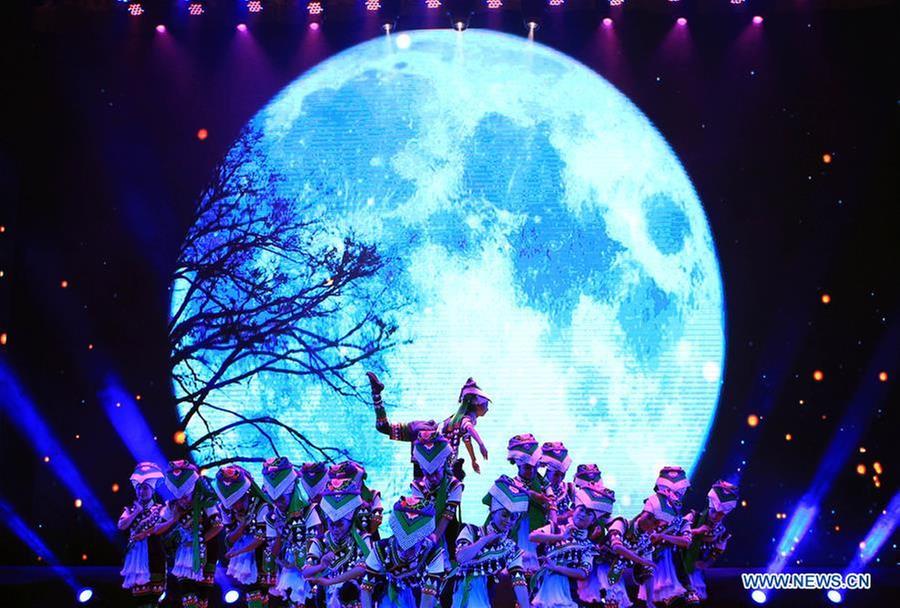
Sanxian Dance of Yi People
Introduction
Yi ethnic group's sanxian dance is a cherished traditional folk dance passed down through generations. Characterized by its communal and celebratory nature, this vibrant dance is performed during joyous occasions and leisure times. This unique art form is widely recognized as a living relic of ancient dances, providing invaluable insights into the origins and evolution of dance traditions.
History
Sanxian dance boasts deep historical roots among the Yi people, with variations across different regions and subgroups. For instance, for Axi people (a branch of the Yi ethnic group), the dance is known as "Axi Tiaoyue". This variation emerged in Honghe Hani and Yi autonomous prefecture, Yunnan province, and is often performed around bonfires under the moonlight. Axi Tiaoyue is deeply embedded in local festivals, ceremonies, and communal celebrations, engaging participants ranging from a dozen to over a thousand.
In contrast, the Sani people (another branch of the Yi ethnic group), residing in Shilin and Qiubei regions, developed the "Dasanxian" ("Big Three-String Dance"), which is also referred to as "Kuaisanbu" (Quick Three-Step). Inspired by Axi Tiaoyue, this high-spirited and dynamic variation is particularly popular among the youth and is often called "Youth Dance". The adaptability of these forms showcases the diversity and resilience of Yi cultural traditions.
Features
Sanxian dance integrates singing, instrumental music and choreographed movements into a cohesive and expressive performance. Key instruments include bamboo flutes, small three-strings and suona horns, all crafted by local artisans. Axi Tiaoyue is celebrated for its vigorous and exuberant rhythm, bold and unrestrained movements, and a distinctive blend of grace and vitality. The dances are marked by strong cadences, sweeping gestures and an infectious energy that captivates participants and audiences alike.
The Dasanxian variation emphasizes a lively and upbeat tempo, reflecting the dynamic spirit of the Sani people. Performed with family-made three-string instruments, the dance fosters communal bonding and intergenerational skill transfer, ensuring its perpetuation.
Cultural Significance
As an emblem of Yi cultural identity, Sanxian dance serves as a powerful medium for community cohesion and cultural exchange. The participatory and inclusive nature of the dance underscores its role in fostering social unity and celebrating shared heritage. The vibrant performances often accompany significant cultural events, such as festivals, ancestral rituals and weddings, imbuing them with a sense of sacredness and collective joy.
Scholars regard sanxian dance as a living "living fossil" of ancient traditions, offering critical insights into the socio-cultural fabric of early societies. Its distinctive characteristics and regional adaptations make it a key subject for research into the origins and dissemination of dance in human history.
Preservation
Despite its cultural prominence, sanxian dance faces existential threats from the encroachment of external cultural influences and the decline of traditional practices. Many intricate dance routines and instrumental techniques risk being lost as younger generations gravitate towards modern entertainment forms.
Efforts are underway to preserve and promote sanxian dance. In regions like Shilin, local communities have embraced initiatives to teach and celebrate dasanxian dance, ensuring its vitality. Public cultural events, educational programs, and state-backed heritage conservation projects aim to safeguard this intangible cultural treasure.
Designating sanxian dance as a national intangible cultural heritage in 2008 highlights its importance and bolsters efforts for its preservation. By rekindling interest among younger Yi generations and sharing its splendor with wider audiences, this remarkable tradition can thrive amidst the challenges of modernity.








